
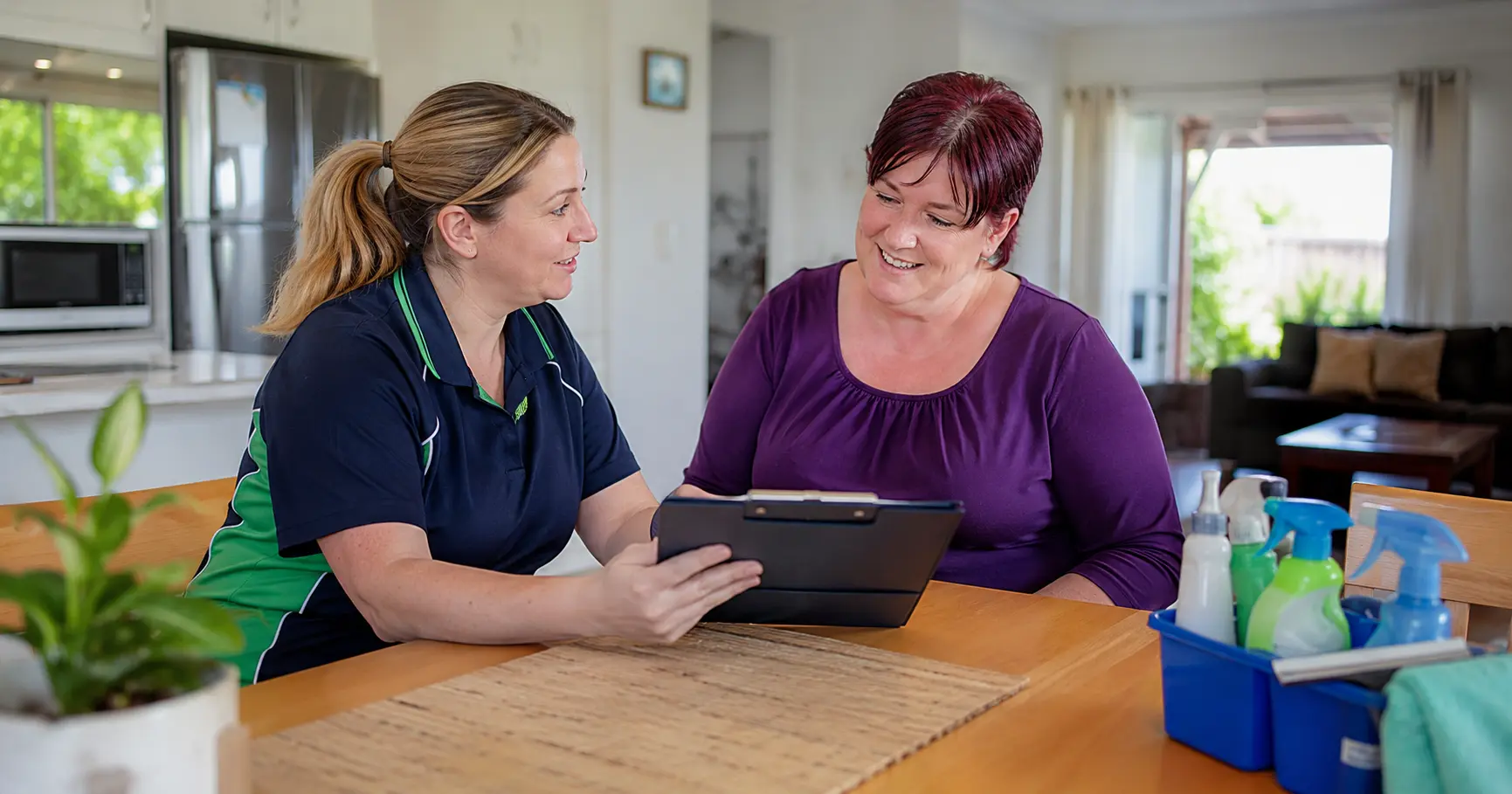
ndis house cleaning rates can feel confusing when you only want simple support at home. You may need help with bathrooms, floors, kitchen areas, dusting, or general household tasks.
However, the price is only one part of the decision. A good NDIS house cleaning quote should also explain the task list, frequency, invoice process, and how the service supports daily living.
In my experience, most participants and families do not look for the cheapest cleaner. They want a respectful provider who understands NDIS, communicates clearly, and makes the home easier to manage.
Why NDIS house cleaning rates are different from standard cleaning
NDIS house cleaning rates are different because the service usually connects to disability-related support needs. It is not just a general lifestyle clean.
A standard house cleaner may quote a basic hourly rate. By contrast, an NDIS cleaning provider should understand that the work may support independence, hygiene, safety, routine, and dignity at home.
For example, a participant may not be able to scrub a shower safely. Another person may struggle to mop floors because of pain, fatigue, mobility limits, or psychosocial disability. In these cases, cleaning can support daily living.
That is why a quote should never stay vague. It should explain what rooms the cleaner will cover, what tasks they will complete, how often visits will happen, and how invoices will work.
When I analyse NDIS cleaning enquiries, I often see the same concern. Participants want a cleaner who will not judge them. Families want someone reliable, while support coordinators want a provider who sends proper paperwork without delays.
This matters because house cleaning happens inside a private home. The cleaner does not only complete a task. They enter a personal space where trust matters.
A low price can look attractive at first. However, it can create problems if the provider misses visits, sends unclear invoices, or ignores participant needs.
For this reason, you should review NDIS house cleaning rates against the current NDIS pricing arrangements and price limits. Online examples can help, but they should not replace the official guide or a written quote.
If you are comparing local options, you can start with NDIS cleaning services in Brisbane.
NDIS house cleaning rates and price limits
NDIS house cleaning rates may depend on the current NDIS pricing rules, the participant’s plan, and the type of support needed.
Some providers publish example prices. However, those prices may not apply to every participant, plan type, location, or home condition.
Therefore, the safest approach is simple. Check the current official pricing guide, confirm the plan budget, and request a written quote before booking.
What affects the cost of NDIS house cleaning?
Several factors affect the cost of NDIS house cleaning. The most common ones include property size, home condition, cleaning frequency, task complexity, and participant support needs.
A small unit may take less time than a large house. Still, size is not the only factor. A small home with heavy build-up, clutter, pet hair, or hygiene concerns may need more time than a larger well-maintained home.
The type of cleaning also matters. Regular house cleaning usually follows a predictable routine. Deep cleaning takes longer because the cleaner may need to remove built-up grime, clean neglected surfaces, or reset difficult areas.
Frequency also changes the quote. Weekly cleaning may prevent the home from becoming overwhelming. Fortnightly cleaning may still work, but each visit may need more time.
Monthly cleaning can become harder when the participant needs consistent support. For that reason, the right schedule should match the participant’s real home situation.
Access can also affect the service. Parking, stairs, lifts, security entry, pets, mobility equipment, or support worker schedules can influence how long the visit takes.
En mi experiencia, the best quotes start with a clear task list. Without that list, the provider has to guess. That can lead to underquoting, overquoting, or invoice issues later.
Participant needs should also guide the quote. Some people need the same cleaner where possible. Others need quiet communication, slower pacing, or visits at a predictable time.
That does not always mean the cleaning itself costs more. However, it does mean the provider must know how to work respectfully inside an NDIS participant’s home.
Regular house cleaning
Regular house cleaning usually includes recurring tasks. These may include vacuuming, mopping, bathroom cleaning, kitchen surface cleaning, dusting, bins, and general household support.
This service works best when the participant needs ongoing help. It can keep the home cleaner, safer, and easier to use.
Regular cleaning can happen weekly, fortnightly, or monthly. The best frequency depends on the participant’s needs, home condition, and available plan budget.
One-off deep house cleaning
One-off deep cleaning goes into more detail. It may include heavy bathroom cleaning, kitchen grease, dust build-up, neglected floors, or areas that have not received regular care.
A deep clean may help before regular cleaning starts. It can bring the home back to a manageable condition.
However, deep cleaning should still connect to the participant’s support needs. You should not frame it as a luxury clean.
Extra tasks inside the home
Some house cleaning quotes may include extra tasks. These can include carpet cleaning, internal windows, spring cleaning, fridge cleaning, or rubbish removal.
The provider should list these tasks separately. Separate task lines make the quote clearer for participants, families, plan managers, and support coordinators.
Clear task lines also help everyone understand what the cleaner will do during each visit.
What should an NDIS house cleaning quote include?
A good NDIS house cleaning quote should be easy to understand. It should also be easy to forward to a plan manager or support coordinator.
The quote should include the participant’s suburb, property type, cleaning frequency, estimated hours, task list, rate, and total estimated cost. It should also explain whether the service covers regular cleaning, deep cleaning, or a one-off visit.
The task list matters most. A quote that says “house cleaning” is too broad. A better quote lists bathrooms, kitchen areas, floors, dusting, bins, and any priority areas.
The provider should also explain what they do not include. For example, high-risk tasks, unsafe cleaning, outdoor work, heavy rubbish, mould remediation, or specialist carpet cleaning may need separate assessment.
Lo que he visto is that clear exclusions reduce conflict. They help the participant understand what to expect before the cleaner arrives.
The quote should also explain invoicing. This matters for plan-managed participants. A plan manager usually needs service dates, descriptions, hours, rates, and totals.
If the participant needs a service agreement, the provider should keep it simple. It should explain the service, frequency, cancellation terms, communication process, and responsibilities.
A strong quote gives everyone confidence. The participant knows what will happen. The family knows what the service includes, and the support coordinator can check whether it matches the plan.
Basic details
The quote should include the participant’s name, suburb, contact details, provider details, and service location.
It should also confirm the plan management type. This may include plan-managed, self-managed, or agency-managed support.
These details help prevent admin delays later.
Cleaning task list
The task list should be specific. It may include bathrooms, toilets, kitchen benches, sinks, stovetop, floors, dusting, bins, and general tidy-up support.
If certain rooms are excluded, the quote should say so. This avoids confusion during the visit.
A written task list also helps the cleaner stay consistent each time.
Invoice and service agreement details
The quote should explain how the provider sends invoices. It should also say whether the provider can work with plan managers.
A service agreement may help with regular cleaning. It can outline scope, frequency, cancellations, and communication expectations.
This documentation helps protect the participant’s budget and routine.
Can NDIS fund house cleaning?
NDIS may fund house cleaning when it is reasonable, necessary, and connected to the participant’s disability-related needs. However, every plan is different.
The cleaning should support functional needs at home. For example, it may help with hygiene, safe movement, access, health, or independence.
It is important to avoid assuming that all cleaning automatically qualifies. General preference-based cleaning may not suit the plan if there is no disability-related reason.
When I review this topic, I recommend focusing on the real need. Do not describe the service only as “I want my house cleaned.” Instead, explain how the task supports safe and manageable daily living.
For example, bathroom cleaning may reduce slip risks. Kitchen cleaning may support food safety. Floor cleaning may support mobility and access.
Rubbish removal may also reduce hazards. In many homes, these tasks directly affect comfort, safety, and independence.
The participant, nominee, plan manager, or support coordinator should check the plan before booking. This helps avoid invoice rejection or budget confusion.
For outdoor or related home support, you may also review NDIS gardening services in Brisbane and NDIS home maintenance in Brisbane.
Plan-managed house cleaning
Plan-managed participants usually send invoices through a plan manager. Therefore, the provider must understand invoice requirements.
The invoice should show the date, support description, hours, rate, and total. It should also match the agreed quote.
This makes payment smoother and reduces back-and-forth.
Self-managed house cleaning
Self-managed participants may have more flexibility. However, they still need proper records.
A quote, invoice, and clear task description can help during plan reviews. They also help the participant track spending.
Agency-managed house cleaning
Agency-managed participants may need to use providers that meet specific requirements. You should check this before booking.
It is better to confirm eligibility first. That prevents problems after the provider completes the service.
How to keep house cleaning costs under control
The best way to manage NDIS house cleaning costs is to plan the service clearly from the start. A vague service can waste time and budget.
Start with the most important rooms. Bathrooms, kitchen areas, floors, and bins usually matter most. These areas often affect hygiene, safety, and daily function.
Then decide the right frequency. Weekly support may work well when the participant needs ongoing help. Fortnightly support may suit a stable home.
Monthly support may not be enough if the home becomes difficult to manage quickly. Therefore, the schedule should match the participant’s capacity and home condition.
A one-off deep clean can also help. After that, regular cleaning may take less time because the home becomes easier to maintain.
In my experience, the first visit often shows the real scope. Sometimes the home needs more time than expected. Other times, the task list can be reduced.
That is why it helps to review the service after the first clean. The participant, family, or coordinator can check whether the hours match the tasks.
Consistency can also reduce costs. When the same cleaner attends regularly, they learn the home, routine, and priorities. This can make each visit more efficient.
Start with priority rooms
Priority rooms should come first. These are usually bathrooms, kitchen areas, main living areas, and floors.
Do not try to clean everything if the budget is limited. Focus on tasks that support safety and daily living.
This makes the service easier to justify and manage.
Avoid vague cleaning requests
A vague request like “clean the house” can lead to unclear quotes. It can also create different expectations between the participant and provider.
A better request lists the exact areas and tasks. For example, “clean one bathroom, mop kitchen floor, wipe benches, vacuum living room, and empty bins.”
Clear instructions protect the budget. They also improve the participant’s experience.
Review the schedule regularly
The cleaning schedule should be reviewed over time. A participant’s needs may change.
A stable home may need fewer hours later. However, a changing health condition may require more support.
Regular reviews keep the service practical and aligned with the plan.
How to choose an NDIS house cleaning provider
Choosing a provider is not only about the hourly rate. It is also about trust, communication, and NDIS understanding.
Ask whether the provider works with NDIS participants. Then ask whether they can provide clear invoices for plan managers.
You should also ask if they provide regular house cleaning, deep cleaning, carpet cleaning, window cleaning, and spring cleaning. If you need outdoor support, ask whether they offer gardening or rubbish removal.
The provider should ask questions before quoting. They should want to know the suburb, home size, tasks, frequency, access, and participant needs.
Be careful with providers who do not ask enough questions. A quote without context may not reflect the real work.
En mi experiencia, the best NDIS house cleaning providers are respectful and predictable. They understand that the participant may feel anxious, embarrassed, or protective of their space.
They should not rush the process. They should communicate clearly and explain what happens next.
Questions to ask before booking
Ask these questions before approving a service:
- Do you work with NDIS participants?
- Can you send invoices to plan managers?
- What tasks does the quote include?
- How many hours do you recommend?
- Can the service run weekly or fortnightly?
- Do you offer one-off deep cleaning?
- Will the same cleaner attend where possible?
- How do cancellations work?
- Can you provide a written service agreement?
These questions are simple. However, they can prevent many problems later.
FAQs about NDIS house cleaning rates
What are typical NDIS house cleaning rates?
Typical NDIS house cleaning rates vary by provider, service type, location, home condition, and current NDIS pricing arrangements.
You should always check the latest official NDIS pricing guide before relying on online examples.
Are NDIS house cleaning rates fixed?
No, NDIS house cleaning rates are not fixed for every home. The quote may change based on tasks, hours, access, and support needs.
A written quote is the best way to confirm the expected cost.
Can NDIS pay for weekly house cleaning?
NDIS may pay for weekly house cleaning when the support is reasonable, necessary, and connected to disability-related needs.
The participant’s plan should be checked before booking.
Can NDIS cover a one-off deep clean?
NDIS may cover a one-off deep clean if it supports safety, hygiene, access, or daily living needs.
The quote should clearly explain why the participant needs the deep clean.
What does NDIS house cleaning include?
NDIS house cleaning may include bathrooms, kitchen surfaces, floors, dusting, bins, and general household support.
The quote or service agreement should list the exact tasks.
Do plan managers need a special invoice?
Plan managers usually need a clear invoice with service dates, task descriptions, hours, rates, and total amount.
A vague invoice may delay payment.
Should I choose the cheapest house cleaner?
Not always. The cheapest cleaner may not understand NDIS requirements, participant routines, or plan manager invoices.
A reliable provider with clear communication may offer better value.
What is the first step to get a quote?
The first step is to list the suburb, home type, cleaning tasks, frequency, and plan management type.
Then ask the provider for a written quote before booking.
Final thoughts on NDIS house cleaning rates
NDIS house cleaning rates should be reviewed with more than price in mind. A fair quote should explain the tasks, hours, frequency, invoices, and participant needs.
The right provider should make the process easier. They should understand NDIS participants, communicate respectfully, and support a cleaner, safer home.
Before booking, check the current NDIS pricing arrangements and confirm the plan budget. Then request a clear written quote.
That simple process can help protect the participant’s home, dignity, and NDIS funding.